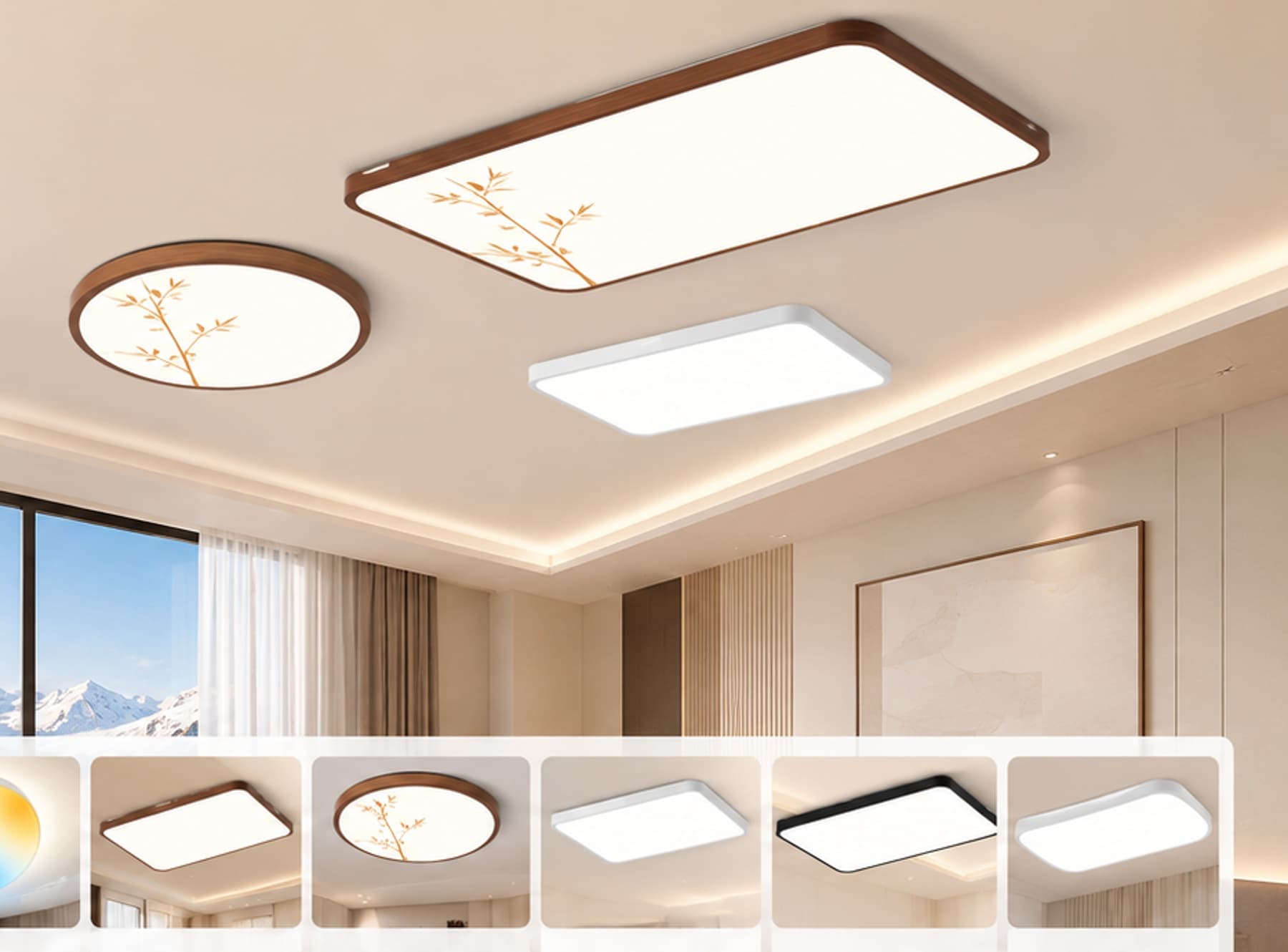
LED ceiling lights prepared for B2B project selection and export sourcing.
Choosing LED ceiling lights for a B2B project is different from buying one lamp for a single room. Importers, wholesalers, distributors and project buyers need to think about product performance, installation conditions, packaging, market preference, voltage, after-sales support and repeat order stability.
A ceiling light that looks good in a photo may still create problems if the driver flickers, the wattage does not match the room size, the color rendering is weak, or the supplier cannot keep the same specification across batches. For apartment projects, hotel rooms, retail programs and private-label distribution, the right selection process should combine design, engineering and shipment inspection.
This guide explains how professional buyers can evaluate LED ceiling lights before placing an order. It covers CRI, RG0 low blue light, flicker-free drivers, wattage, size, material, smart control, sample testing, shipment inspection and supplier communication.
Why LED Ceiling Light Selection Matters in B2B Sourcing
For B2B buyers, LED ceiling lights are not only decorative products. They are part of a lighting program that must work across many rooms, customers and installations. A distributor may need one product family for apartments, another for corridors, and another for decorative retail display. A hotel buyer may care more about comfort, color tone and low maintenance. A wholesaler may focus on price range, packaging, SKU depth and repeat supply.
Because of this, the selection process should answer five practical questions before sample approval: which space will use the light, what room size each wattage should cover, which visual style fits the market, which technical features must be confirmed, and whether the supplier can support repeat orders.
What type of space will use the light?
A living room usually needs higher brightness and a larger light-emitting area. A bedroom may need softer light and lower glare. A corridor needs compact size and reliable output. A hotel room may need warm, comfortable lighting with consistent color tone. The same ceiling light series can sometimes cover several spaces, but buyers should not assume that one model fits every room.
What room size should each wattage cover?
Buyers should not choose wattage only by the product photo. A 36W lamp and a 72W lamp may look similar online, but they serve different spaces. The recommended area should be checked against the catalog specification, room height and local lighting expectations.
MID-ARTICLE CTA
Need Help Matching Ceiling Lights to Your Market?
Send your target country, room type, preferred wattage and product style. Growcean can help shortlist suitable ceiling light models for wholesale or project sourcing.
Key Technical Parameters to Check
CRI: why color rendering matters
CRI, or Color Rendering Index, describes how naturally a light source shows object colors. For residential, hotel and retail spaces, higher CRI is usually preferred because it makes furniture, wall color, fabric and product displays look more natural. For many B2B ceiling light programs, RA90 or above is a useful benchmark. Some catalog models may list RA95, RA97 or RA98 depending on the product family.
High CRI is especially useful for bedrooms, living rooms, hotel rooms, retail showrooms and private-label products positioned as eye-care or premium lighting. During sample testing, buyers can compare the light on warm wood, white walls, fabric and printed packaging to see whether the result matches the market expectation.
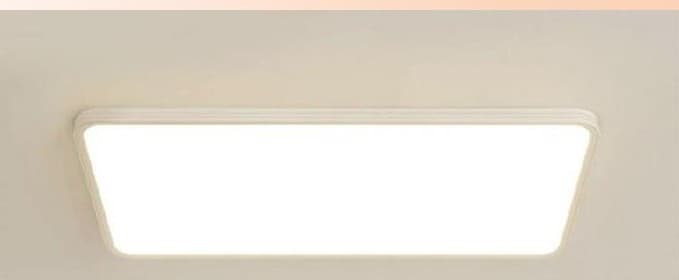
Product details such as diffuser, frame finish and driver quality should be checked before bulk order.
RG0 low blue light: what it means for buyers
RG0 is commonly used to describe a low photobiological risk level under relevant lighting safety evaluation. In practical B2B communication, buyers often ask for RG0 low blue light when they want a more comfortable lighting product for bedrooms, study rooms or family spaces.
If a supplier lists RG0 low blue light, buyers should confirm which model supports it, whether it applies to all sizes or only selected configurations, whether test documentation is available and whether the feature remains the same for customized versions. RG0 should be presented accurately. It does not mean the light cures eye problems; it means the product is designed with lower blue light risk positioning, subject to the tested configuration.
Flicker-free driver: a small component with big impact
The driver is one of the most important parts of an LED ceiling light. A poor driver may create visible flicker, unstable brightness, noise, overheating or early failure. For B2B buyers, driver quality affects customer complaints, return rate and brand reputation.
A practical factory testing process should include power-on testing, brightness stability checks, driver noise checks, basic heat observation, dimming function tests where applicable and visual flicker checks under camera or test equipment. For importers and wholesalers, it is useful to request sample videos showing the light switched on, dimmed and tested under normal operating conditions.
Wattage, size and recommended area
Wattage should match room size and usage. A common mistake is choosing high wattage for every room because it looks more powerful. In reality, over-bright lighting can feel uncomfortable, especially in bedrooms and hotel rooms. A ceiling light series may include different sizes and wattages such as 36W, 48W, 64W, 72W, 96W or 126W. The right choice depends on room area, ceiling height, light distribution, color temperature and whether the space has other lights.
For B2B catalog planning, buyers should build a clear wattage ladder. This makes it easier for sales teams and distributors to explain the product range. Size and shape also matter. Ultra-thin rectangular models are often suitable for modern apartments and living rooms. Round ceiling lights are easier to sell for bedrooms and general home use. Decorative cloud, star, moon or wood-finish models can help retailers create differentiated collections.
Smart Control and Dimming Options
Smart ceiling lights can improve product value, but they also increase the need for confirmation. A product may support remote control, app control, wall control, three-color changing, stepless dimming, Mi Home, Tmall or XiaoAi depending on configuration. Before ordering smart ceiling lights, buyers should confirm the control method, market compatibility, dimming range, packaging instructions and after-sales risk.
A smart function used in one country may not be suitable for another market. Export buyers should confirm platform compatibility before promoting the product. Smart products also need clearer manuals. Importers should check whether the supplier can provide English or Spanish instructions and basic troubleshooting information.
Application-Based Selection Guide
Living rooms
Need higher brightness, wider light distribution and attractive design. Select a series with multiple wattage options.
Bedrooms
Need comfort, stable drivers, soft diffuser design and suitable brightness. RG0 and high CRI are useful selling points.
Hotels
Need consistent color tone, low maintenance and easy installation preparation. Confirm spare parts and packaging stability.
Corridors
Need compact size, reliable driver and practical coverage for entrances, hallways, staircases and balcony areas.
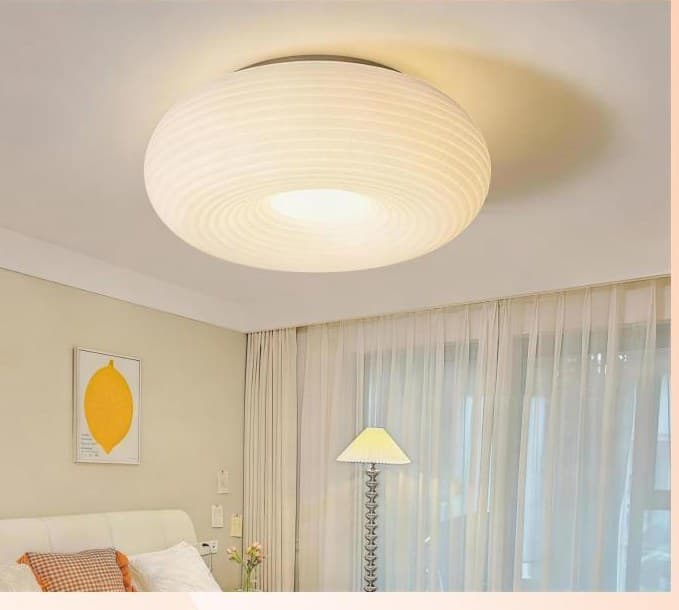
Different spaces require different ceiling light sizes, wattage and design styles.
Factory Testing Before Shipment
A professional LED ceiling light order should not rely only on catalog images. Before shipment, buyers should request inspection photos or videos for key checks. Recommended shipment inspection points include model and quantity confirmation, power-on testing, light color testing, dimming or smart control testing, appearance inspection, surface scratch checks, label and carton checks, accessory confirmation, random package opening and export carton photos.
For private-label orders, packaging inspection is especially important. The logo, model number, voltage, barcode and instruction manual should match the buyer's market requirements. These checks sound simple, but they prevent many common disputes after goods arrive.
Supplier Checklist for Importers and Wholesalers
- Can the supplier provide a full catalog with model, wattage, size and recommended area?
- Which models support high CRI, RG0 low blue light or flicker-free drivers?
- Can the supplier support OEM logo, label, manual and packaging?
- What voltage options are available for your market?
- Can sample testing photos or videos be provided before bulk order?
- What is the MOQ and lead time for samples and mass production?
- Can the supplier recommend models for Mexico, Chile, Peru, Colombia or Spain?
A supplier that answers clearly and consistently is usually safer for long-term cooperation. If the answers change from one conversation to another, or if a supplier cannot confirm basic specification details, buyers should slow down and request samples before discussing large orders.
FAQ
What is the best LED ceiling light for wholesale buyers?
The best option depends on the target market. Ultra-thin and flush mount ceiling lights usually cover broad residential demand, while decorative, wood-finish, cloud and smart ceiling lights help retailers build differentiated collections.
Is high CRI important for ceiling lights?
Yes. Higher CRI helps colors appear more natural in bedrooms, living rooms, hotels and retail spaces. Buyers should confirm the exact CRI by model and configuration before bulk orders.
What does RG0 low blue light mean?
RG0 refers to a lower photobiological risk level under relevant lighting safety evaluation. In ceiling light sourcing, it is commonly used for eye-care positioned products. Buyers should confirm whether the listed model and configuration support RG0.
How do I choose wattage for LED ceiling lights?
Start with room size, ceiling height and application. A large living room usually needs higher wattage than a bedroom or corridor. Use the supplier's recommended area table as a reference and confirm with samples if needed.
Are smart ceiling lights suitable for export markets?
Yes, but compatibility must be confirmed. Remote control, app control, voice assistant support and dimming method may vary by market and product configuration.
What should I check before shipment?
Check product model, quantity, appearance, light color, driver stability, dimming function, packaging, labels, instruction manuals, accessories and carton condition.
Conclusion
Choosing LED ceiling lights for B2B projects is a technical and commercial decision. Buyers should not rely only on product appearance. CRI, RG0 low blue light, flicker-free driver, wattage, size, material, smart control, packaging and shipment inspection all affect the final customer experience.
For importers, wholesalers and project buyers, the safest approach is to build a clear product selection process: define the application, shortlist the right series, confirm technical specifications, test samples, inspect shipment details and prepare market-ready packaging.
REQUEST CATALOG
Looking for LED ceiling lights for wholesale or project supply?
Contact Growcean to request the product catalog, compare suitable models and receive quotation support for your market.
Recommended Image Plan for This Article
For future content expansion, use original factory and shipment photos where possible. If AI-generated supporting visuals are needed, keep them realistic and avoid text or fake certification marks.
- Hero showroom image: LED ceiling lights displayed for wholesale and project sourcing.
- Factory testing image: workers checking light output and driver stability on a test bench.
- Product detail image: diffuser, frame finish and driver component close-up.
- Shipment inspection image: export cartons, product labels and packing list verification.
- Application scene image: living room, hotel room, corridor and apartment use cases.